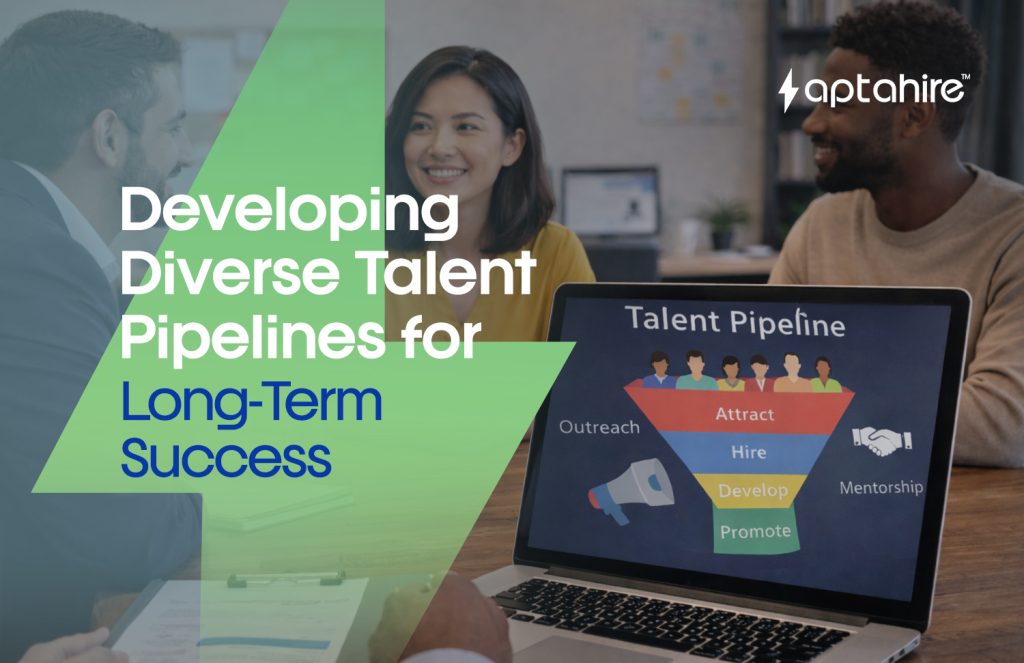
Developing Diverse Talent Pipelines for Long-Term Success
Introduction
Organizations today operate in a rapidly evolving talent landscape. Skills are changing, industries are transforming, and companies are competing globally for the best people. In this environment, relying on traditional hiring methods or limited talent sources can restrict growth and innovation.
Developing diverse talent pipelines is no longer just a diversity initiative. It is a long-term business strategy that ensures organizations have access to a wide range of perspectives, skills, and experiences. When companies actively build pipelines that include individuals from varied backgrounds, they strengthen their ability to adapt, innovate, and solve complex problems.
Human Resources plays a critical role in building and sustaining these pipelines. Through strategic partnerships, inclusive hiring practices, and long-term workforce planning, HR teams can ensure that organizations consistently attract and develop diverse talent.
This article explores how organizations can create diverse talent pipelines that support long-term success and sustainable workforce development.
1. Expanding Talent Sourcing Beyond Traditional Channels
One of the biggest barriers to diversity in hiring is relying on the same recruitment sources repeatedly. Many organizations tend to recruit from the same universities, professional networks, or job boards, which often results in similar candidate profiles.
To build diverse talent pipelines, HR teams should actively explore new sourcing channels, such as:
- Universities and institutions that serve underrepresented communities
- Professional associations focused on diverse talent groups
- Community organizations and nonprofit partnerships
- Diversity-focused job boards and networking platforms
By broadening recruitment sources, organizations increase their chances of discovering skilled candidates who may not appear in conventional hiring networks.
Expanding sourcing strategies ensures a wider and more representative talent pool over time.
2. Investing in Early Talent Programs
Long-term talent pipelines often begin with early career development initiatives. Internship programs, apprenticeships, and graduate training opportunities allow organizations to connect with emerging professionals early in their careers.
These programs provide several advantages:
- They help identify high-potential candidates early
- They allow companies to develop talent according to organizational needs
- They provide learning opportunities for individuals who may lack access to traditional career pathways
Partnering with educational institutions to offer internships or mentorship opportunities can help organizations nurture diverse talent before they enter the full-time job market.
When designed inclusively, early talent programs can become powerful tools for building diverse leadership pipelines in the future.
3. Building Strategic Partnerships and Community Engagement
Organizations that are serious about developing diverse talent pipelines often go beyond recruitment and engage with communities directly.
Strategic partnerships can include collaborations with:
- Universities and training institutes
- Professional development organizations
- Community groups supporting underrepresented populations
- Workforce development programs
These partnerships create pathways for individuals to access career opportunities, training, and mentorship.
Community engagement also strengthens employer branding. When organizations invest in talent development initiatives, they demonstrate a commitment to social responsibility and equitable access to career opportunities.
Such relationships help create sustainable pipelines rather than one-time hiring efforts.
4. Creating Inclusive Development and Mentorship Programs
Recruiting diverse talent is only the first step. Organizations must ensure employees have opportunities to grow, develop, and advance.
Mentorship and development programs play a key role in supporting diverse employees. HR teams can implement initiatives such as:
- Structured mentorship programs pairing junior employees with experienced leaders
- Leadership development programs designed for emerging talent
- Skill development workshops and career advancement training
Mentorship programs help employees build confidence, develop professional networks, and gain guidance on career progression.
Inclusive development initiatives ensure that diverse talent not only enters the organization but also thrives and moves into leadership roles.
5. Using Data and Workforce Planning to Strengthen Talent Pipelines
Effective talent pipelines require continuous monitoring and improvement. HR teams should use data-driven insights to evaluate recruitment and development strategies.
Important metrics may include:
- Representation across departments and levels
- Hiring and promotion trends
- Retention rates among diverse employees
- Participation in development programs
Workforce planning tools can help organizations forecast future talent needs and identify potential gaps in diversity representation.
By analyzing data regularly, HR leaders can refine sourcing strategies, improve retention efforts, and ensure that diverse talent pipelines remain strong over time.
Data-driven decision-making turns diversity initiatives into sustainable business strategies.
Conclusion
Developing diverse talent pipelines is essential for organizations seeking long-term success in an increasingly competitive and dynamic workforce environment.
By expanding sourcing strategies, investing in early talent programs, building community partnerships, supporting inclusive development, and using data-driven insights, organizations can create sustainable pathways for diverse talent.
These pipelines not only strengthen recruitment efforts but also support innovation, resilience, and organizational growth.
In simple terms, when companies commit to nurturing diverse talent over time, they build a workforce that is better prepared to meet future challenges and opportunities.
FAQs
1. What is a diverse talent pipeline?
A diverse talent pipeline refers to a continuous pool of potential candidates from varied backgrounds who are prepared and ready for future job opportunities within an organization.
2. Why are diverse talent pipelines important for organizations?
They help organizations access a broader range of perspectives, enhance innovation, and ensure long-term workforce sustainability.
3. How can companies attract diverse talent?
Companies can expand recruitment channels, partner with educational institutions, engage with community organizations, and promote inclusive employer branding.
4. What role does mentorship play in talent pipeline development?
Mentorship helps employees gain guidance, build networks, and develop leadership skills, which supports career advancement and retention.
5. How can HR measure the success of diverse talent pipeline initiatives?
Success can be measured through diversity representation metrics, hiring trends, promotion rates, retention data, and participation in development programs.

SEO ANALYST