From Interviews to Insights How DiSC Personality Tests Help Companies Understand Workplace Behavior
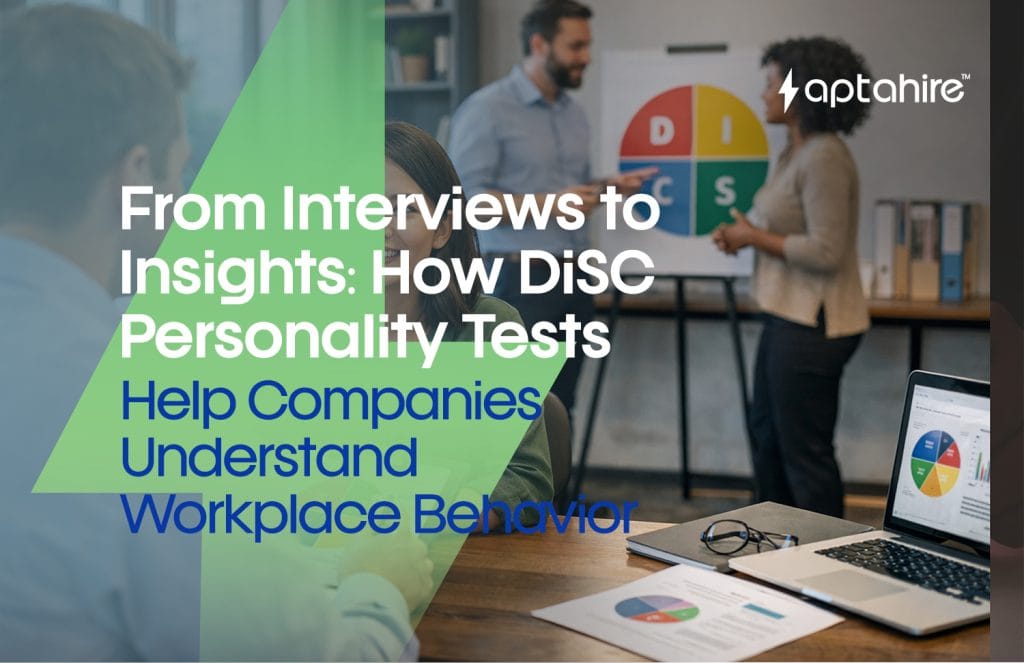
Research shows that 89% of hiring failures are due to behavioral and attitudinal reasons, not lack of skill. That’s why companies are moving beyond resumes and interviews toward behavioral tools like the DiSC assessment.
What Is the DiSC Model?
The DiSC model is a behavioral framework rooted in the work of psychologist William Moulton Marston. Today, it’s one of the most widely used personality tools in hiring, leadership development, and team building.
DiSC identifies four primary behavioral styles:
Dominance (D)
- Strengths: Decisive, results-driven, confident
- Challenges: Can be blunt, impatient, overly forceful
Influence (i)
- Strengths: Outgoing, persuasive, enthusiastic
- Challenges: May overlook details, overly optimistic
Steadiness (S)
- Strengths: Patient, reliable, supportive
- Challenges: Resistant to change, conflict-avoidant
Conscientiousness (C)
- Strengths: Analytical, detail-oriented, systematic
- Challenges: Perfectionistic, cautious, risk-averse
Most people display a blend of these styles, with one or two being dominant.
Why Companies Use DiSC
DiSC predicts workplace behavior, which directly influences performance, collaboration, and culture fit.
According to Wiley’s DiSC research, organizations using behavioral assessments report:
- 31% higher team productivity
- 50% reduction in employee turnover
- 34% improvement in leadership effectiveness
These outcomes make DiSC a practical, data-backed tool rather than a subjective personality quiz.
How DiSC Shapes Hiring Decisions
Different roles demand different behavioral strengths. DiSC helps employers align people with roles where they’re most likely to thrive.
- Sales: High D + High i → confident closers
- Customer service: High S + High i → empathetic communicators
- Project management: High C + High D → structured decision-makers
- Marketing & creative roles: High i with flexibility → idea-driven influencers
This doesn’t exclude other profiles—it simply improves alignment and reduces friction.
DiSC Beyond Hiring
Team Building
Understanding personality differences reduces misunderstandings and workplace friction.
Leadership Development
Effective leaders adapt their style. For example, a “C” leader may need to be more people-focused with “i” team members.
Conflict Resolution
Many conflicts are style clashes rather than personal issues. DiSC reframes conflict as difference, not dysfunction.
Career Growth
Employees who understand their DiSC profile can navigate roles, teams, and challenges more effectively.
What Candidates Should Know
There are no right or wrong DiSC results. Employers aren’t looking for a perfect personality, they’re looking for fit.
A highly analytical “C” may struggle in a fast-paced sales role but excel in research, quality control, or operations.
For candidates, DiSC provides clarity—helping you pursue roles that energize rather than drain you.
Real-World Use of DiSC
- Microsoft applies DiSC principles to improve collaboration across global teams
- Dale Carnegie Training uses DiSC in leadership coaching
- Healthcare organizations leverage DiSC to balance empathy and efficiency
- Startups adopt DiSC early to build strong, culture-aligned teams
Final Thoughts
Resumes and interviews will always matter, but they only scratch the surface.
DiSC allows organizations to understand how people work, communicate, and adapt—reducing costly mis-hires and strengthening teams.
At its core, DiSC helps companies see the human behind the hire, not just the skills.
FAQs: DiSC Personality Assessment
1. What is the DiSC personality test?
It’s a behavioral assessment that identifies Dominance, Influence, Steadiness, and Conscientiousness to understand workplace behavior.
2. Why do companies use DiSC?
To improve hiring decisions, teamwork, leadership development, and communication.
3. Does DiSC measure intelligence?
No. It measures behavioral tendencies, not IQ or technical skill.
4. How accurate is DiSC?
It provides reliable behavioral patterns when used alongside interviews and other assessments.
5. Can candidates manipulate DiSC results?
It’s difficult to game, as inconsistencies often surface during discussions or on the job.
6. Is DiSC only used for hiring?
No. It’s widely used for leadership training, team building, and conflict management.
7. What are the four DiSC types?
D (Dominance), I (Influence), S (Steadiness), and C (Conscientiousness).
8. Does DiSC alone decide hiring?
No. It’s one input combined with interviews and skills assessments.
9. Can DiSC profiles change over time?
Core tendencies remain stable, but behaviors adapt with experience and learning.
10. What are the benefits of DiSC in the workplace?
Improved communication, reduced conflict, better role alignment, and stronger leadership.

Product and Marketing Manager