Creating a Bias-Free Hiring Process with Inclusive Recruitment Practices
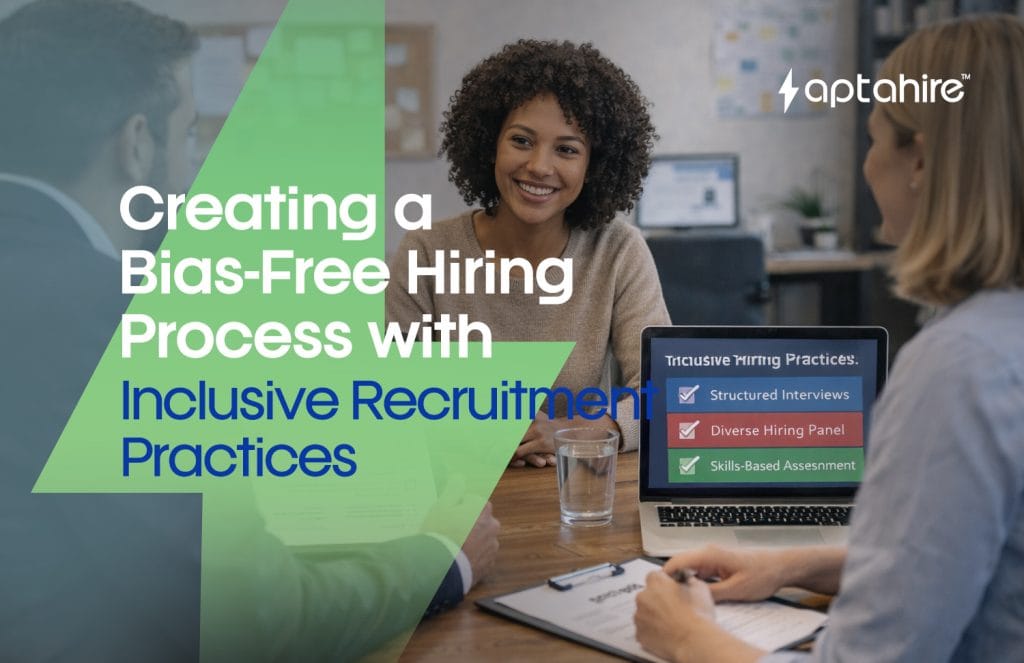
Creating a Bias-Free Hiring Process: Inclusive Recruitment Practices
Hiring decisions shape the future of an organization. The people you bring in determine innovation, culture, productivity, and long-term growth. Yet, despite good intentions, bias often seeps into recruitment processes in subtle ways. It may appear in job descriptions, resume screening, interview conversations, or final selection decisions.
A bias-free hiring process is not about eliminating human judgment. It is about creating structured, fair, and transparent systems that reduce the influence of unconscious assumptions. Inclusive recruitment practices ensure that every candidate is evaluated based on skills, potential, and performance rather than background, identity, or personal similarities.
Organizations that prioritize fairness in hiring gain access to broader talent pools, improve team diversity, and build stronger employer brands. More importantly, they create equal opportunities for individuals who may otherwise be overlooked.
1. Writing Inclusive and Accessible Job Descriptions
Bias can begin before a candidate even applies. Job descriptions often unintentionally discourage qualified individuals from applying.
Common issues include:
- Gender-coded language
- Excessive or unrealistic qualification requirements
- Industry jargon that may exclude nontraditional candidates
- Emphasis on “culture fit” instead of “culture add”
To create inclusive job postings:
- Use gender-neutral and clear language
- Focus on essential skills rather than unnecessary credentials
- Highlight flexibility, growth opportunities, and inclusive policies
- Clearly communicate commitment to equal opportunity
Research shows that some candidates, especially women and underrepresented groups, apply only when they meet nearly all listed requirements. Simplifying and prioritizing must-have skills can significantly widen your applicant pool.
Inclusive job descriptions signal fairness and attract a broader range of qualified talent.
2. Expanding and Diversifying Talent Sourcing Channels
If organizations recruit from the same sources repeatedly, they are likely to receive similar candidate profiles.
To reduce bias and increase representation, companies should:
- Partner with institutions that serve diverse communities
- Use specialized job boards focused on underrepresented groups
- Collaborate with professional networks and community organizations
- Develop internship and mentorship programs targeting emerging talent
Employee referral programs should also be reviewed carefully. While referrals can be effective, they may unintentionally reinforce homogeneity if employees recommend candidates similar to themselves.
Proactive and intentional sourcing ensures that opportunities reach a wide range of qualified individuals rather than remaining confined to limited networks.
3. Implementing Structured Screening and Interview Processes
Unstructured interviews are one of the most bias-prone stages of hiring. When interviewers rely heavily on intuition or informal conversations, personal preferences can influence decisions.
To create a bias-free process:
- Use standardized screening criteria
- Conduct blind resume reviews where possible
- Ask each candidate the same job-related questions
- Develop clear evaluation rubrics with scoring guidelines
Structured interviews focus on competencies rather than personality alignment. Behavioral and situational questions provide objective insights into how candidates approach real-world challenges.
Additionally, diverse interview panels can reduce individual bias and offer balanced perspectives.
Consistency and clarity in evaluation are key to fair decision-making.
4. Training Recruiters and Hiring Managers on Unconscious Bias
Even well-designed systems require informed people to implement them effectively. Bias awareness training helps hiring teams recognize and challenge their own assumptions.
Effective training should include:
- Understanding different types of unconscious bias
- Recognizing micro-behaviors in interviews
- Learning inclusive communication techniques
- Practicing objective decision-making
However, training alone is not enough. It must be supported by structured processes, accountability mechanisms, and ongoing reinforcement.
When hiring managers understand how bias operates and have tools to mitigate it, recruitment becomes more equitable and professional.
5. Measuring Outcomes and Ensuring Accountability
A bias-free hiring process requires continuous evaluation. Without measurement, organizations cannot determine whether their efforts are working.
HR teams should track metrics such as:
- Diversity representation at each stage of recruitment
- Candidate drop-off rates
- Interview-to-offer ratios across demographic groups
- Offer acceptance rates
Analyzing data helps identify patterns that may indicate hidden bias. For example, if certain groups consistently drop off at the interview stage, it may signal issues in evaluation or communication.
Transparency in reporting builds trust and ensures accountability. Leadership involvement is essential to sustain long-term progress.
Inclusive recruitment is not a one-time initiative. It is an evolving strategy that adapts to organizational needs and workforce changes.
Conclusion
Creating a bias-free hiring process requires intention, structure, and commitment. It involves examining every stage of recruitment, from job descriptions to final offers, and redesigning processes to prioritize fairness and inclusion.
Inclusive recruitment practices expand access to talent, strengthen employer reputation, and enhance organizational performance. When hiring decisions are guided by clear criteria and consistent evaluation methods, candidates are judged based on merit and potential rather than assumptions.
Fairness in hiring is not about lowering standards. It is about raising the quality of decision-making. Organizations that commit to bias-free recruitment build teams that reflect diverse perspectives, foster innovation, and drive sustainable success.
FAQs
1. What is a bias-free hiring process?
A bias-free hiring process uses structured and standardized methods to reduce the influence of unconscious assumptions during recruitment.
2. How can organizations reduce bias in resume screening?
Blind resume screening, standardized evaluation criteria, and focusing on skills rather than personal details can help minimize bias.
3. Why are structured interviews important?
Structured interviews ensure all candidates are evaluated consistently using the same job-related questions and scoring systems.
4. Does inclusive hiring mean lowering hiring standards?
No. Inclusive hiring focuses on evaluating candidates fairly based on skills and potential, not personal background.
5. How can companies measure the success of inclusive recruitment?
By tracking diversity metrics, stage conversion rates, candidate feedback, and long-term retention data.