Enhancing Employee Experience: From Onboarding to Retention
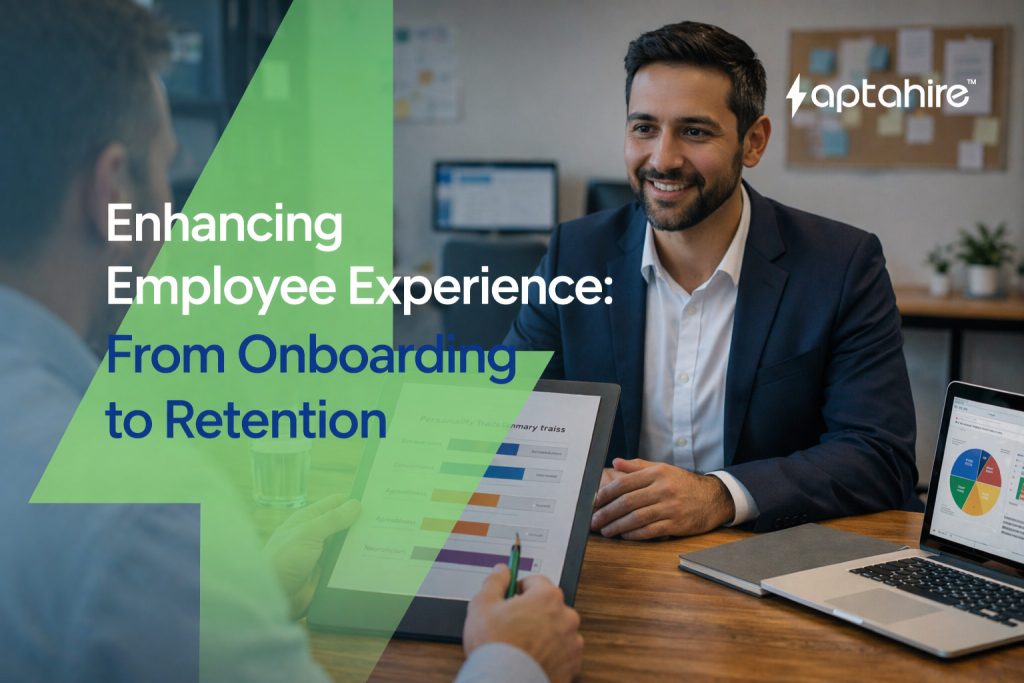
Enhancing Employee Experience: From Onboarding to Retention
Employee experience is no longer just an HR buzzword. It has become a critical factor in how organizations attract, engage, and retain talent. From the moment a candidate accepts an offer to their long-term growth within the company, every interaction shapes how they perceive the organization.
A positive employee experience leads to higher engagement, stronger performance, and improved retention. On the other hand, poor experiences can result in disengagement, low productivity, and increased turnover.
Human Resources plays a central role in designing and delivering a seamless employee journey. By focusing on key touchpoints such as onboarding, development, communication, and recognition, organizations can create a workplace where employees feel valued and motivated.
This article explores how organizations can enhance employee experience across the entire lifecycle, from onboarding to long-term retention.
1. Creating a Seamless and Engaging Onboarding Experience
The employee journey begins with onboarding. First impressions matter, and a well-structured onboarding process sets the tone for an employee’s entire experience.
An effective onboarding program should:
- Provide clear information about roles, responsibilities, and expectations
- Introduce company culture, values, and team dynamics
- Offer training and resources to help employees get started
- Facilitate connections with team members and managers
Organizations can also use digital tools to streamline onboarding processes, making it easier for employees to complete documentation and access information.
A positive onboarding experience helps employees feel confident, supported, and aligned with the organization from day one.
2. Supporting Continuous Learning and Development
Employee experience does not stop after onboarding. Continuous learning and development are essential for keeping employees engaged and motivated.
HR teams can enhance experience by offering:
- Skill development programs and training sessions
- Leadership development opportunities
- Access to online learning platforms
- Clear career progression pathways
Employees are more likely to stay with organizations that invest in their growth and provide opportunities to advance their careers.
Learning and development initiatives also help organizations build future leaders and close skill gaps within the workforce.
3. Building a Culture of Open Communication
Communication is a key driver of employee experience. Employees want to feel heard, informed, and connected to the organization.
HR can foster open communication by:
- Encouraging regular feedback between employees and managers
- Conducting engagement surveys and acting on insights
- Hosting town halls and team discussions
- Providing transparent updates on organizational changes
Two-way communication builds trust and ensures that employees feel valued.
When employees have a voice and see their feedback leading to action, engagement levels increase significantly.
4. Recognizing and Rewarding Employee Contributions
Recognition plays a crucial role in employee satisfaction and motivation. Employees who feel appreciated are more likely to stay engaged and perform better.
Organizations can enhance experience through:
- Formal recognition programs
- Performance-based rewards and incentives
- Peer-to-peer recognition initiatives
- Celebrating milestones and achievements
Recognition does not always have to be monetary. Simple gestures such as appreciation messages or public acknowledgment can have a significant impact.
A culture of recognition reinforces positive behaviors and strengthens employee morale.
5. Focusing on Well-Being and Work-Life Balance
Employee well-being has become a top priority for organizations. A healthy work-life balance contributes to better productivity, reduced burnout, and higher retention rates.
HR teams can support well-being by offering:
- Flexible work arrangements
- Mental health support programs
- Wellness initiatives and activities
- Reasonable workloads and clear expectations
Creating a supportive work environment ensures that employees can perform at their best without compromising their well-being.
Organizations that prioritize employee well-being build stronger and more resilient teams.
Conclusion
Enhancing employee experience requires a holistic approach that spans the entire employee lifecycle. From onboarding to development, communication, recognition, and well-being, every touchpoint plays a role in shaping how employees feel about their workplace.
Organizations that invest in employee experience do not just improve engagement. They build a culture of trust, collaboration, and long-term commitment.
When employees feel valued and supported, they are more likely to stay, grow, and contribute to the organization’s success.
FAQs
1. What is employee experience?
Employee experience refers to the overall journey an employee has within an organization, from hiring to exit, including all interactions and touchpoints.
2. Why is onboarding important for employee experience?
Onboarding sets the first impression and helps employees understand their roles, culture, and expectations, which impacts long-term engagement.
3. How can organizations improve employee retention?
By offering growth opportunities, recognizing contributions, supporting well-being, and maintaining strong communication.
4. What role does HR play in employee experience?
HR designs and manages policies, programs, and initiatives that shape the employee journey and workplace culture.
5. How does employee experience impact business performance?
A positive employee experience leads to higher engagement, better productivity, improved retention, and overall organizational success.

Product and Research Manager