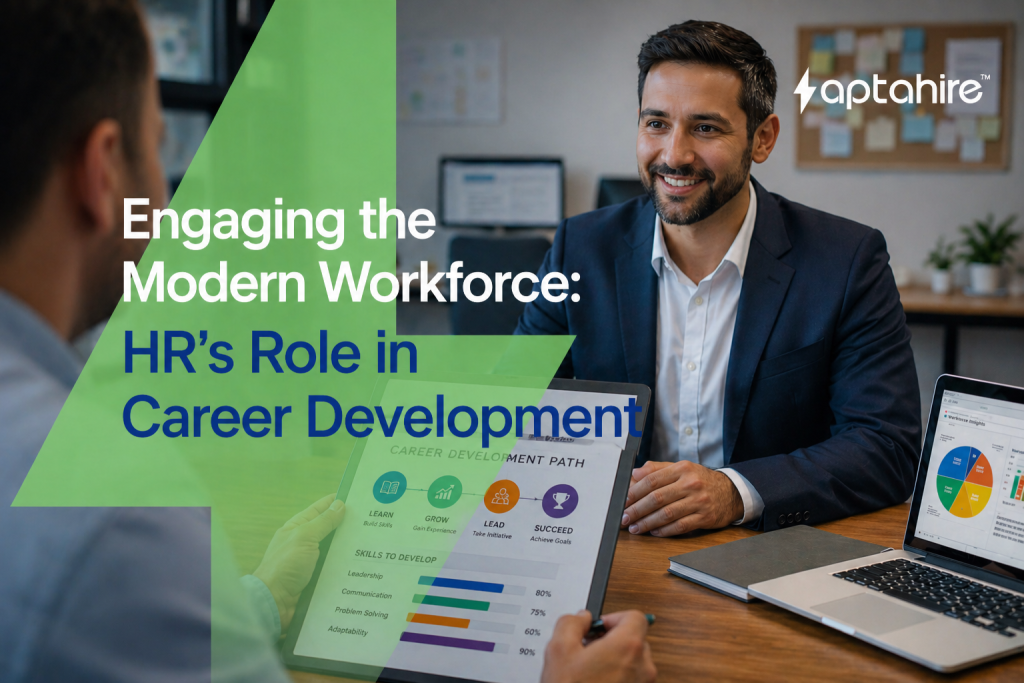
Engaging the Modern Workforce: HR’s Role in Career Development
The modern workforce is very different from what it was a decade ago. Employees today are not just looking for stable jobs. They want meaningful work, continuous learning, flexibility, and clear growth opportunities. Career development has become one of the most important factors influencing employee engagement and retention.
If employees feel stagnant or unclear about their future, they are more likely to disengage or leave. On the other hand, organizations that invest in structured career development create a motivated, skilled, and loyal workforce.
This is where Human Resources plays a critical role. HR is not just responsible for hiring and policies anymore. It acts as a strategic partner in shaping employee growth journeys, aligning individual aspirations with organizational goals.
This article explores how HR can engage the modern workforce by building strong and effective career development frameworks.
1. Understanding Employee Aspirations and Career Goals
Career development starts with understanding what employees actually want. Modern employees have diverse career aspirations that may not always follow traditional paths.
HR can support this by:
- Conducting regular career conversations and one-on-one discussions
- Using surveys and feedback tools to understand employee goals
- Encouraging managers to discuss career paths during performance reviews
It is important to recognize that not every employee wants to move into leadership roles. Some may prefer specialist or technical career paths.
By understanding individual aspirations, organizations can create personalized development plans that align with both employee interests and business needs.
2. Creating Clear and Transparent Career Pathways
One of the biggest drivers of engagement is clarity. Employees want to know what growth looks like within the organization and how they can achieve it.
HR teams should design structured career pathways that include:
- Defined roles and progression levels
- Required skills and competencies for each stage
- Clear criteria for promotions and role transitions
Transparent career paths reduce uncertainty and give employees a sense of direction.
When employees understand how to grow within the organization, they are more likely to stay committed and motivated.
3. Investing in Continuous Learning and Skill Development
The pace of change in today’s work environment requires employees to continuously upgrade their skills. Career development is closely linked to learning opportunities.
HR can drive engagement by offering:
- Training programs and workshops
- Access to online learning platforms
- Certifications and skill-building initiatives
- Cross-functional learning opportunities
Organizations should also encourage a culture of self-learning where employees take ownership of their development.
Continuous learning not only benefits employees but also helps organizations remain competitive and future-ready.
4. Enabling Mentorship and Coaching Programs
Mentorship plays a powerful role in career development. Having access to experienced professionals helps employees navigate challenges, build confidence, and make informed career decisions.
HR can implement:
- Formal mentorship programs
- Leadership coaching initiatives
- Peer-to-peer learning opportunities
Mentorship fosters knowledge sharing and strengthens relationships within the organization.
It also helps employees feel supported in their career journeys, which increases engagement and retention.
5. Leveraging Technology for Career Development
Technology is transforming how career development is managed. HR can use digital tools to create more personalized and data-driven development experiences.
Examples include:
- Learning management systems for training and skill tracking
- AI-driven platforms that recommend career paths
- Internal mobility platforms that showcase job opportunities
- Performance management tools that track progress
Technology enables HR teams to scale development initiatives while providing tailored experiences for employees.
It also helps track outcomes and continuously improve development strategies.
Conclusion
Engaging the modern workforce requires more than just offering competitive salaries or benefits. Career development has become a central pillar of employee experience and long-term retention.
HR plays a vital role in designing and implementing strategies that support employee growth. By understanding aspirations, creating clear career paths, investing in learning, enabling mentorship, and leveraging technology, organizations can build a workforce that is motivated, skilled, and future-ready.
When employees see a future within the organization, they are more likely to stay, grow, and contribute meaningfully.
FAQs
1. Why is career development important for employee engagement?
Career development provides growth opportunities, which increases motivation, job satisfaction, and long-term commitment.
2. How can HR support employee career growth?
HR can offer training programs, mentorship, clear career paths, and regular feedback to guide employee development.
3. What are career pathways in an organization?
Career pathways define the progression of roles and the skills required to move from one level to another.
4. How does learning and development impact retention?
Employees are more likely to stay with organizations that invest in their skills and career growth.
5. What role does technology play in career development?
Technology helps personalize learning, track progress, recommend career paths, and improve access to development opportunities.

Tech Lead